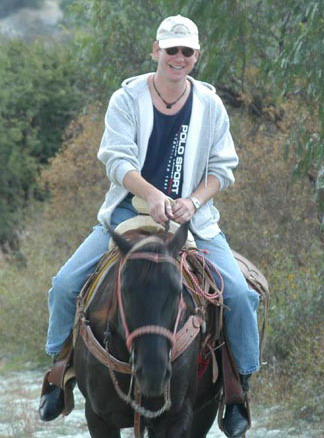
(A friend sent this to me and I believe that Ms. Ellerbee says it so much better than I can. I hope that she doesn’t object to any copy write infringement that I may be committing.)
One Journalist’s View
By Linda Ellerbee
Sometimes I’ve been called a maverick because I don’t always agree with my colleagues, but then, only dead fish swim with the stream all the time. The stream here is Mexico.
You would have to be living on another planet to avoid hearing how dangerous Mexico has become, and, yes, it’s true drug wars have escalated violence in Mexico, causing collateral damage, a phrase I hate. Collateral damage is a cheap way of saying that innocent people, some of them tourists, have been robbed, hurt or killed.
But that’s not the whole story. Neither is this. This is my story. I’m a journalist who lives in New York City, but has spent considerable time in Mexico, specifically Puerto Vallarta, for the last four years. I’m in Vallarta now. And despite what I’m getting from the U.S. media, the 24-hour news networks in particular, I feel as safe here as I do at home in New York, possibly safer. I walk the streets of my Vallarta neighborhood alone day or night. And I don’t live in a gated community, or any other All-Gringo neighborhood. I live in Mexico. Among Mexicans. I go where I want (which does not happen to include bars where prostitution and drugs are the basic products), and take no more precautions than I would at home in New York; which is to say I don’t wave money around, I don’t act the Ugly American, I do keep my eyes open, I’m aware of my surroundings, and I try not to behave like a fool.
I’ve not always been successful at that last one. One evening a friend left the house I was renting in Vallarta at that time, and, unbeknownst to me, did not slam the automatically-locking door on her way out. Sure enough, less than an hour later a stranger did come into my house. A burglar? Robber? Kidnapper? Killer? Drug lord? No, it was a local police officer, the “beat cop” for our neighborhood, who, on seeing my unlatched door, entered to make sure everything (including me) was okay. He insisted on walking with me around the house, opening closets, looking behind doors and, yes, even under beds, to be certain no one else had wandered in, and that nothing was missing. He was polite, smart and kind, but before he left, he lectured me on having not checked to see that my friend had locked the door behind her. In other words, he told me to use my common sense.
Do bad things happen here? Of course they do. Bad things happen everywhere, but the murder rate here is much lower than, say, New Orleans, and if there are bars on many of the ground floor windows of houses here, well, the same is true where I live, in Greenwich Village, which is considered a swell neighborhood — house prices start at about $4 million (including the bars on the ground floor windows).
There are good reasons thousands of people from the United States are moving to Mexico every month, and it’s not just the lower cost of living, a hefty tax break and less snow to shovel. Mexico is a beautiful country, a special place. The climate varies, but is plentifully mild, the culture is ancient and revered, the young are loved unconditionally, the old are respected, and I have yet to hear anyone mention Britney Spears, Lindsay Lohan, or Madonna’s attempt to adopt a second African child, even though, with such a late start, she cannot possibly begin to keep up with Angelina Jolie.
And then there are the people. Generalization is risky, but— in general — Mexicans are warm, friendly, generous and welcoming. If you smile at them, they smile back. If you greet a passing stranger on the street, they greet you back. If you try to speak even a little Spanish, they tend to treat you as though you were fluent. Or at least not an idiot. I have had taxi drivers track me down after leaving my wallet or cell phone in their cab. I have had someone run out of a store to catch me because I have overpaid by twenty cents. I have been introduced to and come to love a people who celebrate a day dedicated to the dead as a recognition of the cycles of birth and death and birth — and the 15th birthday of a girl, an important rite in becoming a woman — with the same joy.
Too much of the noise you’re hearing about how dangerous it is to come to Mexico is just that — noise. But the media love noise, and too many journalists currently making it don’t live here. Some have never even been here. They just like to be photographed at night, standing near aspotlighted border crossing, pointing across the line to some imaginary country from hell. It looks good on TV.
Another thing. The U.S. media tend to lump all of Mexico into one big bad bowl. Talking about drug violence in Mexico without naming a state or city where this is taking place is rather like looking at the horror of Katrina and saying, “Damn. Did you know the U.S. is under water?” or reporting on the shootings at Columbine or the bombing of the Federal building in Oklahoma City by saying that kids all over the U.S. are shooting their classmates and all the grownups are blowing up buildings. The recent rise in violence in Mexico has mostly occurred in a few states, and especially along the border. It is real, but it does not describe an entire country.
It would be nice if we could put what’s going on in Mexico in perspective, geographically and emotionally. It would be nice if we could remember that, as has been noted more than once, these drug wars wouldn’t be going on if people in the United States didn’t want the drugs, or if other people in the United States weren’t selling Mexican drug lords the guns. Most of all, it would be nice if more people in the United States actually came to this part of America (Mexico is also America, you will recall) to see for themselves what a fine place Mexico really is, and how good a vacation (or a life) here can be.
So come on down and get to know your southern neighbors. I think you’ll like it here. Especially the people.
Thursday, May 07, 2009

Thursday, April 30, 2009
Influenza, part 2
 Rumors abound. Some say there are four reported cases in San Miguel, another is one but not confirmed, and yet another is none in the state of Guanajuato.
What is real is the panic. There is not a tube of hand sanitizer or a bottle of rubbing alcohol to be found in town. Stores have been cleaned out of these and any flu treatment medicines.
Tuesday night we went to hear a couple of friends perform their music at a local restaurant. Shortly after we left, the authorities came in and closed the restaurant until May 6th. Schools are closed, church services canceled; restaurants may only serve food for take-out and bars and movie theaters are closed. Religious holiday festivities have been canceled.
My maid said that she passed by the Tuesday market (usually a mad house of activity) and the only people there were the vendors. The carnitas (pork taco) stands had sold nothing.
Hotel and home rental reservations have been canceled and their phones for future reservations are eerily silent.
(Is Stephen King somehow involved in this?)
Tuesday, April 28, 2009
Influenza

 The jokes began flying nearly as soon as the virus was announced. But so did alarm.
Some people say to take it easy and just go about your normal life; others are calling it early signs of the apocalypse. Rod thinks we should go out looking for it, get sick for two weeks and then be immune, thus eliminating further concern on our part. It’s a plan, I guess, but not one I favor right now.
What struck me today, was how people riding motorcycles will go to the trouble to wear a surgical mask, supposedly protecting themselves from the virus, but won’t wear a helmet. Which is really higher risk, the flu or a serious, crippling head injury?
I guess only time will tell.
Wednesday, April 22, 2009
Banking in Mexico
There are aspects of banking in Mexico that remind me of banking in the U.S., 20 years ago. For example, the rubber stamp is very popular; there are mountains of paperwork which are embellished with big flourishing signatures, and long lines on Fridays and paydays.
In other aspects, it is nearly the same as the U.S., with online access to account balances and transaction history.
My biggest challenge was getting a checking account. The ranchito doesn’t have a physical mailing address and the banks wouldn’t accept my post office box in town.
Then Scotia Bank came to town. New to San Miguel, they were hungry for customers and because I have an account with their investment arm (Scotia Casa de Bolsa) in Mexico City, they rolled out the red carpet. I got my checking account, a debit/ATM card, and just for kicks, a credit card. To overcome the address challenge, they had me draw a map to my house on the back of my account agreement.
The Casa de Bolsa to Bank relationship has been great. Every 28 days they deposit the interest to my bank account and reinvest the principle.
What surprised me was the credit card. I thought it was free (i.e., no annual membership fee). Not wanting to read the fine print (in Spanish) that constituted my account agreement, I was surprised to find out today that the membership fee is only waived for the first year.
I never used the card and the statement I received depicted an annual membership fee for next year, of 345 pesos. I further reviewed the statement to learn that the minimum payment is 50% and the annual interest rate is 33.80%. No airline miles, no rebates, nada.
I canceled that bad boy in a heartbeat.
(“Read the fine print” takes on a whole new meaning when it’s in another language.)
In other aspects, it is nearly the same as the U.S., with online access to account balances and transaction history.
My biggest challenge was getting a checking account. The ranchito doesn’t have a physical mailing address and the banks wouldn’t accept my post office box in town.
Then Scotia Bank came to town. New to San Miguel, they were hungry for customers and because I have an account with their investment arm (Scotia Casa de Bolsa) in Mexico City, they rolled out the red carpet. I got my checking account, a debit/ATM card, and just for kicks, a credit card. To overcome the address challenge, they had me draw a map to my house on the back of my account agreement.
The Casa de Bolsa to Bank relationship has been great. Every 28 days they deposit the interest to my bank account and reinvest the principle.
What surprised me was the credit card. I thought it was free (i.e., no annual membership fee). Not wanting to read the fine print (in Spanish) that constituted my account agreement, I was surprised to find out today that the membership fee is only waived for the first year.
I never used the card and the statement I received depicted an annual membership fee for next year, of 345 pesos. I further reviewed the statement to learn that the minimum payment is 50% and the annual interest rate is 33.80%. No airline miles, no rebates, nada.
I canceled that bad boy in a heartbeat.
(“Read the fine print” takes on a whole new meaning when it’s in another language.)
Thursday, April 16, 2009
The Water Company
The water company here is called SAPASMA (Sistema de Agua Potable y Alcantarillado de San Miguel de Allende – no wonder it’s abbreviated).
When I bought the ranchito, I asked our neighbor why we’d never gotten a water bill. “You won’t,” he said. “I pay the water for all four houses here. If you ask for a bill they’ll start reading our meters and everyone will pay more. Now I pay 600 pesos for the whole year so don’t worry about it.”
I believed him. This is a private development and it is his family who are the developers. Why wouldn’t I believe him?
A month ago SAPASMA showed up at my front gate with a water bill for 47,000 pesos (think over $4,000 USD). They said the bill had never been paid and it was my responsibility to collect from the previous owners. If I didn’t pay within five days, my water would be shut off.
Long story short, my neighbor is full of crap. My water was turned off and together we went to the SAPASMA offices where he was scolded by the woman in charge but we were able to negotiate my bill down to 32,000 pesos. (And I was given three months to pay.) Probably 10,000 pesos of that is the actual water that I’ve used over the last five years. The rest is from the previous owners and penalties for non-payment. (I could probably sue but it is not worth the bad blood between neighbors. Instead, I told my neighbor that I wanted a lifetime membership to the new golf course that is supposed to be built here; hopefully in my lifetime.)
You may remember an entry about a year ago, entitled “Deadly Water” where I chronicled how SAPASMA had over chlorinated our water and killed 26 koi and goldfish in our pond. They’ve done it again.
When SAPASMA killed my fish the first time we called and complained about the chlorine level in the water. Our skin and hair were dry and we smelled like Clorox all day. (We’ve filed three such complaints over the year, which is probably why they showed up and discovered that we hadn’t paid.)
As part of my approaching 50 check-ups, I recently had some blood work done. Notably high was the amount of chlorine in my bloodstream. (We don’t drink this water, but we shower and wash our vegetables in it every day.)
So this morning, when I found all the new fish dead, I was in a heat. I walked to my acupuncture appointment rehearsing my Spanish in my head. Now that I’m paying, why am I paying for poison water? I had visions of hurling the dead fish at the woman in charge. How do you say, “You keep what you kill!” in Spanish?
Instead, I put all the dead fish in a clear zip-lock bag, grabbed my maid, Mari, and off we went to do battle with SAPASMA.
We must have been quite the sight; the tall gringo and the small, chubby Mexican woman, me with my handful of paperwork, her with a bag of shiny dead fish. Not only did we file a report with a clerk, but we were eventually taken to the head of the company. Mari would tell the story and I would elaborate where my Spanish permitted. I showed them my lab reports. Mari told them about our dry skin and how all of our dark clothes were washed out from the chlorine. She alternately sat with the bag of dead fish on her lap or would place them gently on the desk for emphasis. (She felt they should pay for the fish.)
Who knows what will happen but now that I’m a paying customer, and I’ve got Mari by my side, I’m going to continue to make a fuss.
The SAPASMA director promised to increase the number of times per day that the technicians check the chlorinating equipment in our area. We’ll see.
(I told Mari that if I die, I want her to drop my body in the SAPASMA director’s office.)
When I bought the ranchito, I asked our neighbor why we’d never gotten a water bill. “You won’t,” he said. “I pay the water for all four houses here. If you ask for a bill they’ll start reading our meters and everyone will pay more. Now I pay 600 pesos for the whole year so don’t worry about it.”
I believed him. This is a private development and it is his family who are the developers. Why wouldn’t I believe him?
A month ago SAPASMA showed up at my front gate with a water bill for 47,000 pesos (think over $4,000 USD). They said the bill had never been paid and it was my responsibility to collect from the previous owners. If I didn’t pay within five days, my water would be shut off.
Long story short, my neighbor is full of crap. My water was turned off and together we went to the SAPASMA offices where he was scolded by the woman in charge but we were able to negotiate my bill down to 32,000 pesos. (And I was given three months to pay.) Probably 10,000 pesos of that is the actual water that I’ve used over the last five years. The rest is from the previous owners and penalties for non-payment. (I could probably sue but it is not worth the bad blood between neighbors. Instead, I told my neighbor that I wanted a lifetime membership to the new golf course that is supposed to be built here; hopefully in my lifetime.)
You may remember an entry about a year ago, entitled “Deadly Water” where I chronicled how SAPASMA had over chlorinated our water and killed 26 koi and goldfish in our pond. They’ve done it again.
When SAPASMA killed my fish the first time we called and complained about the chlorine level in the water. Our skin and hair were dry and we smelled like Clorox all day. (We’ve filed three such complaints over the year, which is probably why they showed up and discovered that we hadn’t paid.)
As part of my approaching 50 check-ups, I recently had some blood work done. Notably high was the amount of chlorine in my bloodstream. (We don’t drink this water, but we shower and wash our vegetables in it every day.)
So this morning, when I found all the new fish dead, I was in a heat. I walked to my acupuncture appointment rehearsing my Spanish in my head. Now that I’m paying, why am I paying for poison water? I had visions of hurling the dead fish at the woman in charge. How do you say, “You keep what you kill!” in Spanish?
Instead, I put all the dead fish in a clear zip-lock bag, grabbed my maid, Mari, and off we went to do battle with SAPASMA.
We must have been quite the sight; the tall gringo and the small, chubby Mexican woman, me with my handful of paperwork, her with a bag of shiny dead fish. Not only did we file a report with a clerk, but we were eventually taken to the head of the company. Mari would tell the story and I would elaborate where my Spanish permitted. I showed them my lab reports. Mari told them about our dry skin and how all of our dark clothes were washed out from the chlorine. She alternately sat with the bag of dead fish on her lap or would place them gently on the desk for emphasis. (She felt they should pay for the fish.)
Who knows what will happen but now that I’m a paying customer, and I’ve got Mari by my side, I’m going to continue to make a fuss.
The SAPASMA director promised to increase the number of times per day that the technicians check the chlorinating equipment in our area. We’ll see.
(I told Mari that if I die, I want her to drop my body in the SAPASMA director’s office.)
Tuesday, April 14, 2009
Semana Santa 2009
It is rumored that the best week to visit Mexico City is Semana Santa, or Holy Week, because everyone in Mexico City leaves thus making traffic more manageable. The problem is that a great many of them come to San Miguel.
It is interesting how things change for the foreigner living here. The first couple of years you would have found me running into centro to witness and photograph all of the celebration activities. However now, after about six years, I avoid it like the plague. Traffic is crazy, parking a nightmare and crowds of people line the streets.
Two of our friends were part of the migration. “Get ready,” Horst said when he and Christian arrived, “Everyone from Mexico City is headed this way.”
Christine and Mario also joined us from Queretaro, only 45 minutes away normally, but they encountered the incoming traffic from Mexico City as well.
Festivities ensued and when one of them would take us near centro, we parked at the top of town and took the bus in and a taxi back. Horst and Christian returned to Mexico City on Saturday and were replaced by Karl and Mariana.
Easter Sunday found the six of us lounging around the ranchito. We cooked and ate together and then people drifted to different activities; Karl working on a presentation for a gallery opening, Mariana (eight months pregnant) reading a magazine and later napping in the hammock, Mario reading Catcher in the Rye (in Spanish) and Rodrigo and Christine alternatively watching old musicals on TV or napping on the sofa. I puttered around in the yard, watering and tending to plants. It was my favorite type of a day at home; where people come together and then drift away, no one needing or expecting to be entertained, just helping themselves to whatever. That type of comfortable silence or banter that comes when people know each other well. The type of day for which the ranchito is designed (what with its various small seating or lounging areas).
Someone suggested that we go into town for dinner. “Are you crazy?” was the general response. So we decided on a Uruguayan restaurant on the edge of town, where the crowds promised to be minimal and parking is available.
We were the only table. The others were all empty. As we were sitting there, Christine commented: “Do you realize that we’re all bi-cultural couples?” It was true. All three couples are Mexican-American (with Rod and I additionally being queer just to enhance the diversity a notch). Maybe it is one reason that we’re all so comfortable around each other.
The chef was a rather rotund man with long red stringy hair pulled back into a clumsy ponytail. After preparing our meals on an open grill, he waddled out with his guitar and serenaded us (rather well).
One doesn’t encounter that every day.
It is interesting how things change for the foreigner living here. The first couple of years you would have found me running into centro to witness and photograph all of the celebration activities. However now, after about six years, I avoid it like the plague. Traffic is crazy, parking a nightmare and crowds of people line the streets.
Two of our friends were part of the migration. “Get ready,” Horst said when he and Christian arrived, “Everyone from Mexico City is headed this way.”
Christine and Mario also joined us from Queretaro, only 45 minutes away normally, but they encountered the incoming traffic from Mexico City as well.
Festivities ensued and when one of them would take us near centro, we parked at the top of town and took the bus in and a taxi back. Horst and Christian returned to Mexico City on Saturday and were replaced by Karl and Mariana.
Easter Sunday found the six of us lounging around the ranchito. We cooked and ate together and then people drifted to different activities; Karl working on a presentation for a gallery opening, Mariana (eight months pregnant) reading a magazine and later napping in the hammock, Mario reading Catcher in the Rye (in Spanish) and Rodrigo and Christine alternatively watching old musicals on TV or napping on the sofa. I puttered around in the yard, watering and tending to plants. It was my favorite type of a day at home; where people come together and then drift away, no one needing or expecting to be entertained, just helping themselves to whatever. That type of comfortable silence or banter that comes when people know each other well. The type of day for which the ranchito is designed (what with its various small seating or lounging areas).
Someone suggested that we go into town for dinner. “Are you crazy?” was the general response. So we decided on a Uruguayan restaurant on the edge of town, where the crowds promised to be minimal and parking is available.
We were the only table. The others were all empty. As we were sitting there, Christine commented: “Do you realize that we’re all bi-cultural couples?” It was true. All three couples are Mexican-American (with Rod and I additionally being queer just to enhance the diversity a notch). Maybe it is one reason that we’re all so comfortable around each other.
The chef was a rather rotund man with long red stringy hair pulled back into a clumsy ponytail. After preparing our meals on an open grill, he waddled out with his guitar and serenaded us (rather well).
One doesn’t encounter that every day.
Tuesday, April 07, 2009
The Bell’s Palsy Treatment Labyrinth
I have it again. Bell’s Palsy. (http://www.mayoclinic.com/health/bells-palsy/DS00168)
I’ve had it twice before; once when I was 19, again at 29 and now at 49. (Somehow I dodged 39.)
I felt the all-to-familiar dull ache at the back of my neck and above my ear. But I thought, “It’s not that bad. I don’t want to take antibiotics so I’ll eat some raw garlic and maybe it will go away.”
Failure to trust my instincts could well have cost me facial deformity anywhere from six months to forever.
While I was on heavy-duty antibiotics, I wasn’t allowed to consume alcohol. So I couldn’t even drown my sorrows for a night. Plus, I’m supposed to stay out of the sun and wind. This really sucks because if I’m going to be sequestered away at home, I’d at least like to get some work done in the yard.
I’m seeing three doctors, two of whom are good friends. One is an M.D. or general practitioner, the other a naturopath and an acupuncturist. The third, the new one, specializes in rehabilitation and uses electrotherapy treatments.
The electrotherapy is probably my favorite (when the frigg’n nurse doesn’t turn up the power too high sending lightening bolts out of my teeth). At least I get an hour’s nap while my face is pulsing with a mild current.
My insurance doesn’t cover this. I’m on a catastrophic policy. It is international but has a list of preferred providers. The closest hospital on their list is 45 minutes away in Queretaro. And there is a $3,000 USD deductible.
I have no desire to drive to Queretaro every day and at an average treatment cost of about 300 pesos, it will be a long time before I reach the deductable.
I miss my $20 co-pay.
I’m off the antibiotics now. (That first glass of wine was about the best I’ve ever tasted.) And truth be told, I’m seeing some improvement. I can blink again and there is some movement in my right eyebrow and right side of my mouth. So something is working because this is a faster recovery than I experienced before.
I’ve had it twice before; once when I was 19, again at 29 and now at 49. (Somehow I dodged 39.)
I felt the all-to-familiar dull ache at the back of my neck and above my ear. But I thought, “It’s not that bad. I don’t want to take antibiotics so I’ll eat some raw garlic and maybe it will go away.”
Failure to trust my instincts could well have cost me facial deformity anywhere from six months to forever.
While I was on heavy-duty antibiotics, I wasn’t allowed to consume alcohol. So I couldn’t even drown my sorrows for a night. Plus, I’m supposed to stay out of the sun and wind. This really sucks because if I’m going to be sequestered away at home, I’d at least like to get some work done in the yard.
I’m seeing three doctors, two of whom are good friends. One is an M.D. or general practitioner, the other a naturopath and an acupuncturist. The third, the new one, specializes in rehabilitation and uses electrotherapy treatments.
The electrotherapy is probably my favorite (when the frigg’n nurse doesn’t turn up the power too high sending lightening bolts out of my teeth). At least I get an hour’s nap while my face is pulsing with a mild current.
My insurance doesn’t cover this. I’m on a catastrophic policy. It is international but has a list of preferred providers. The closest hospital on their list is 45 minutes away in Queretaro. And there is a $3,000 USD deductible.
I have no desire to drive to Queretaro every day and at an average treatment cost of about 300 pesos, it will be a long time before I reach the deductable.
I miss my $20 co-pay.
I’m off the antibiotics now. (That first glass of wine was about the best I’ve ever tasted.) And truth be told, I’m seeing some improvement. I can blink again and there is some movement in my right eyebrow and right side of my mouth. So something is working because this is a faster recovery than I experienced before.
Re-Occurring Dream
In my dream, I’m still working at Providian and I’m trying to find someone to fire me. I know that I have a country home in Mexico and I want to go back. I wander the halls looking for someone of authority, to tell me that my assignment has ended and my services are no longer needed. But office after office is empty.
I ask the few other people that I see, “Do you know where so-and-so is? Or maybe so-and-so?”
“He’s gone,” or “She’s gone.”
I begin to panic. I’m going to be stuck in this cubicle jungle forever. I look out the window. The building overlooks the airport and planes are leaving. I want to be on one.
Will someone please fire me!
Then I wake up and all is good.
I ask the few other people that I see, “Do you know where so-and-so is? Or maybe so-and-so?”
“He’s gone,” or “She’s gone.”
I begin to panic. I’m going to be stuck in this cubicle jungle forever. I look out the window. The building overlooks the airport and planes are leaving. I want to be on one.
Will someone please fire me!
Then I wake up and all is good.
Monday, March 23, 2009
Balancing the Gringo Image
I was walking back from the bank today and witnessed an accident.
Across the street a car was pulling over to the curb when it clipped the front bumper of a parked car and tore it clean off.
I stopped and stared as did a couple of other gringos. The offending vehicle waited a moment and then drove off and around the corner.
“We just witnessed a hit and run!” said the man standing next to me.
“I couldn’t make out where the plates were from,” I said, but I remembered the plate numbers.
“Texas,” he said. “And it was a white Volkswagen.”
Traffic does not move swiftly in San Miguel, so I headed off at a brisk pace whilst drawing my pen and notebook from my bag. Sure enough, half way down the block the Volkswagen was stuck in traffic. It turned the corner and stopped in a handicapped space. I walked up and copied down the information; white Volkswagen Touareg, Texas plates and the number.
I saw a Transito officer near the car and tried to explain, in my horrible Spanish, what had just happened. All he did was point out to the driver (a gray bearded gringo) that he was in a handicapped zone.
I charged back up to the scene of the crime to find another Transito officer standing in front of the damaged vehicle, writing in a little notebook. I walked up to him and explained that I had seen the accident (or in my Spanish, “I see the accident”) and had a description of the vehicle and the plate numbers. “Bueno!” responded two women in the nearby shop. I gave him a description of the car, my name and home phone number.
Home, about an hour later, I received a call from the owner of the damaged vehicle. She asked that I meet her at the “Ministerio Publico” to help her file a complaint. I agreed (since the Ministerio Publico is very close to my house) and met Maria. A lovely young Mexican woman, very animated, who was quite unhappy with the way her day was going but extremely grateful that I was willing to be a witness. We talked about how easily the offender could have handled the situation. Body work on a car is not expensive in Mexico. He could have left a note, they could have met, and for about $75 USD he probably could have resolved the whole situation. (Anyone who drives a Touareg can probably afford a lot more.) Instead, he hit and ran, probably afraid which I tried to justify on his behalf (although I didn’t think his behavior correct).
I’ve heard horror stories about filing a compliant with the Ministerio Publico but I feel that I need to do my duty.
I probably should have stuck my head in the window of that Volkswagen and said, “I saw you take the bumper off that car and I have your plate numbers. You need to go back and resolve this or I’m going to turn you in. If you need my help, I’ll provide what translation services that I can.” But in truth, I was afraid that he might be a freak and I did what we tend to do in the states; turn it over to the authorities. But the authorities are a little different here and, in retrospect, I wish that I’d had the guts.
Maria needs more paperwork before she can file her complaint. So she has my home phone number and cell phone as well. We’ll see how it plays out. But I clearly felt like the good behavior of one gringo helped balance the bad behavior of another.
Across the street a car was pulling over to the curb when it clipped the front bumper of a parked car and tore it clean off.
I stopped and stared as did a couple of other gringos. The offending vehicle waited a moment and then drove off and around the corner.
“We just witnessed a hit and run!” said the man standing next to me.
“I couldn’t make out where the plates were from,” I said, but I remembered the plate numbers.
“Texas,” he said. “And it was a white Volkswagen.”
Traffic does not move swiftly in San Miguel, so I headed off at a brisk pace whilst drawing my pen and notebook from my bag. Sure enough, half way down the block the Volkswagen was stuck in traffic. It turned the corner and stopped in a handicapped space. I walked up and copied down the information; white Volkswagen Touareg, Texas plates and the number.
I saw a Transito officer near the car and tried to explain, in my horrible Spanish, what had just happened. All he did was point out to the driver (a gray bearded gringo) that he was in a handicapped zone.
I charged back up to the scene of the crime to find another Transito officer standing in front of the damaged vehicle, writing in a little notebook. I walked up to him and explained that I had seen the accident (or in my Spanish, “I see the accident”) and had a description of the vehicle and the plate numbers. “Bueno!” responded two women in the nearby shop. I gave him a description of the car, my name and home phone number.
Home, about an hour later, I received a call from the owner of the damaged vehicle. She asked that I meet her at the “Ministerio Publico” to help her file a complaint. I agreed (since the Ministerio Publico is very close to my house) and met Maria. A lovely young Mexican woman, very animated, who was quite unhappy with the way her day was going but extremely grateful that I was willing to be a witness. We talked about how easily the offender could have handled the situation. Body work on a car is not expensive in Mexico. He could have left a note, they could have met, and for about $75 USD he probably could have resolved the whole situation. (Anyone who drives a Touareg can probably afford a lot more.) Instead, he hit and ran, probably afraid which I tried to justify on his behalf (although I didn’t think his behavior correct).
I’ve heard horror stories about filing a compliant with the Ministerio Publico but I feel that I need to do my duty.
I probably should have stuck my head in the window of that Volkswagen and said, “I saw you take the bumper off that car and I have your plate numbers. You need to go back and resolve this or I’m going to turn you in. If you need my help, I’ll provide what translation services that I can.” But in truth, I was afraid that he might be a freak and I did what we tend to do in the states; turn it over to the authorities. But the authorities are a little different here and, in retrospect, I wish that I’d had the guts.
Maria needs more paperwork before she can file her complaint. So she has my home phone number and cell phone as well. We’ll see how it plays out. But I clearly felt like the good behavior of one gringo helped balance the bad behavior of another.
Tuesday, March 17, 2009
Man of the House
The husband had just finished reading a new book entitled, 'YOU CAN BE THE MAN OF YOUR HOUSE'. He stormed to his wife in the kitchen and announced, 'From now on, you need to know that I am the man of this house and my word is Law. You will prepare me a gourmet meal tonight, and when I'm finished eating my meal, you will serve me a sumptuous dessert. After dinner, you are going to go upstairs with me and we will have the kind of sex that I want. Afterwards, you are going to draw me a bath so I can relax. You will wash my back and towel me dry and bring me my robe. Then, you will massage my feet and hands. Then tomorrow, guess who's going to dress me and comb my hair?"
'The wife replied, 'The fuckin' funeral director would be my first guess.'
'The wife replied, 'The fuckin' funeral director would be my first guess.'
Wednesday, March 11, 2009
Mixing With Old World Celebrities
Background:
Toby and I met in San Miguel six years ago. He was 19 years old and was spending a year in Mexico studying Spanish. We struck up a friendship and since I was recently retired, and not quite sure what to do with myself, we decided to spend a month exploring the Yucatan together. When I asked Toby how his parents felt about him spending a month traveling with a 42 year old gay man, he said, “They say kindest regards to Charles.” A year later I was in London and received an email from Toby. “You can’t be this close and not come to Munich.” So I did and spent an amazing week with him and his family. Our friendship has endured and three years ago, he came to visit with a girlfriend.
Through his visits to San Miguel, I have come to know a German woman named Anita. Anita and her late husband split their time between San Miguel and Vienna and used to host German youngsters who come to San Miguel to study. They published one of the first German travel guides to Mexico (which I understand is still in publication) and have appeared on the cover of National Geographic, Anita in scuba gear reaching for the tail of a moray eel that was swimming above her.
This February Toby, now 25 and studying in Vienna, came to visit for a month. We decided that we needed to return the lovely dinners that Anita has invited us to in the past, so we invited Anita, Alex and his mother Regina up to the ranchito for dinner. Anita invited us to dinner the following evening.
The next night we were met at the door by a maid in uniform and directed to Anita’s beautifully appointed living room. In addition to Rodrigo, Toby and me, the guest list included our young friend Vanessa, Margarita (an Italian Princess) and Toller (a former Canadian ice skating champion and Olympic bronze medal winner, now an artist and full-time resident of San Miguel).
The dinner, as usual, was exquisite. Anita would use a small bell strategically placed in front of her, to summon the maid to serve and clear. But it was Toller (his long auburn hair slicked straight back, wearing a bright orange blazer and sporting a belt that might have been worn by Johnny Depp in Pirates of the Caribbean) who stole the show.
It is no secret that Toby is a strapping example of German youth. Toller took one look at him and it was to Toby that Toller focused nearly all of his attention for the entire evening.
“I’m having a show in Ajijic,” Toller said, “Worse than trailer trash. I’m going to have to import my own guests.”
At one point Toby was speaking with Vanessa when Toller interrupted. “Toby, I’m speaking to you. What amazing hands you have. Do you play the piano?”
“Umm, no. I did a bit as a child.”
“I’ll bet you could reach nearly two octaves with those hands.”
“Maybe and octave and a half . . .” Toby replied.
“Well, I must take my leave,” Toller said, standing to address the room. “I’m going to be walking home past the park. So if you hear screams of someone being molested, don’t come.” And with a flourish, he was gone.
The next day I received a phone call from Anita. “Hello Charles, I’m trying to reach Toby on his cell phone and it is not working. Toller has invited me and some ladies over for dinner this evening and he wants to invite Toby.” (No mention of me or Rodrigo or any of the former evening’s guests.)
“I’m sorry Anita, but Toby has gone to the ranch with Alex for the weekend. He’s out of cell phone range. Rather a good excuse for Toby I imagine.”
“Alright then, I’ll let Toller know.”
(I don’t know if Toller made any further attempts to contact Toby. Shortly after he returned from the ranch we took off on a road trip.)
 Toby
Toby
Toby and I met in San Miguel six years ago. He was 19 years old and was spending a year in Mexico studying Spanish. We struck up a friendship and since I was recently retired, and not quite sure what to do with myself, we decided to spend a month exploring the Yucatan together. When I asked Toby how his parents felt about him spending a month traveling with a 42 year old gay man, he said, “They say kindest regards to Charles.” A year later I was in London and received an email from Toby. “You can’t be this close and not come to Munich.” So I did and spent an amazing week with him and his family. Our friendship has endured and three years ago, he came to visit with a girlfriend.
Through his visits to San Miguel, I have come to know a German woman named Anita. Anita and her late husband split their time between San Miguel and Vienna and used to host German youngsters who come to San Miguel to study. They published one of the first German travel guides to Mexico (which I understand is still in publication) and have appeared on the cover of National Geographic, Anita in scuba gear reaching for the tail of a moray eel that was swimming above her.
This February Toby, now 25 and studying in Vienna, came to visit for a month. We decided that we needed to return the lovely dinners that Anita has invited us to in the past, so we invited Anita, Alex and his mother Regina up to the ranchito for dinner. Anita invited us to dinner the following evening.
The next night we were met at the door by a maid in uniform and directed to Anita’s beautifully appointed living room. In addition to Rodrigo, Toby and me, the guest list included our young friend Vanessa, Margarita (an Italian Princess) and Toller (a former Canadian ice skating champion and Olympic bronze medal winner, now an artist and full-time resident of San Miguel).
The dinner, as usual, was exquisite. Anita would use a small bell strategically placed in front of her, to summon the maid to serve and clear. But it was Toller (his long auburn hair slicked straight back, wearing a bright orange blazer and sporting a belt that might have been worn by Johnny Depp in Pirates of the Caribbean) who stole the show.
It is no secret that Toby is a strapping example of German youth. Toller took one look at him and it was to Toby that Toller focused nearly all of his attention for the entire evening.
“I’m having a show in Ajijic,” Toller said, “Worse than trailer trash. I’m going to have to import my own guests.”
At one point Toby was speaking with Vanessa when Toller interrupted. “Toby, I’m speaking to you. What amazing hands you have. Do you play the piano?”
“Umm, no. I did a bit as a child.”
“I’ll bet you could reach nearly two octaves with those hands.”
“Maybe and octave and a half . . .” Toby replied.
“Well, I must take my leave,” Toller said, standing to address the room. “I’m going to be walking home past the park. So if you hear screams of someone being molested, don’t come.” And with a flourish, he was gone.
The next day I received a phone call from Anita. “Hello Charles, I’m trying to reach Toby on his cell phone and it is not working. Toller has invited me and some ladies over for dinner this evening and he wants to invite Toby.” (No mention of me or Rodrigo or any of the former evening’s guests.)
“I’m sorry Anita, but Toby has gone to the ranch with Alex for the weekend. He’s out of cell phone range. Rather a good excuse for Toby I imagine.”
“Alright then, I’ll let Toller know.”
(I don’t know if Toller made any further attempts to contact Toby. Shortly after he returned from the ranch we took off on a road trip.)
 Toby
TobyTuesday, March 10, 2009
Yale University Band Concert
When Rod asked me, “What kind of band is it?” I responded, “Well, it’s a band, not an orchestra so it’s like “Bring It On” kind of music. (Or so I assumed.)
The Yale University Band was all in black tie. Rod endured, I enjoyed.
Picture this:
 In front of this (on a warm spring evening):
 I guess it is a "band" instead of an "orchestra" because there are no string instruments.
It was a wonderful (free) concert. And while I was a little dissapointed that there were not more Mexicans in attendance (probably less than 2%), I was delighted when they brought out the local Mariachis to play for the band at the end.
And I have to admit, the Mariachis probably got a bigger round of applause than the Yale University Band.
The Yale University Band was all in black tie. Rod endured, I enjoyed.
Picture this:
 In front of this (on a warm spring evening):I guess it is a "band" instead of an "orchestra" because there are no string instruments.
It was a wonderful (free) concert. And while I was a little dissapointed that there were not more Mexicans in attendance (probably less than 2%), I was delighted when they brought out the local Mariachis to play for the band at the end.
And I have to admit, the Mariachis probably got a bigger round of applause than the Yale University Band.
Tuesday, February 24, 2009


Sunday, February 22, 2009
Mexican Birthday Party
(Another one sailing around the internet)
Top 15 ways to tell it's a MEXICAN birthday party:
1. The party is Saturday, and you get a call from the hostess Friday saying, 'I'm giving Mijo a birthday party tomorrow at 3pm'
2. Some of the guests didn't bring a gift - but brought extra uninvited kids.
3. The party is separated into women cooking, men drinking, and kids playing.
4. The party is at Chuck E. Cheese but they brought their own food, cake and a piñata.
5. It's a child's party, but there are more grown-ups than children.
6. For entertainment, instead of playing pin the tail on the donkey, there is usually a televised baseball or futbol game, or a live fight.
7. The party was supposed to be over at 5pm, but its 7:30pm and the party is just starting.
8. The host calls someone who's on their way and tells them to stop and get some tortillas and ice.
9. You hear someone go up to the birthday child and say, 'Mira, que lindo. I'm going to have to get you something next week when I get paid.'
10. Some guests bring gifts that are still in the Wal-Mart bag.
11. The cake didn't come from the store; it came from the mother of the comadre of your best friend's sister who makes really good cakes.
12. You are told you have to save your plate and fork you ate your food with, so you can eat your cake.
13. It's Mijo's 1st birthday and the party food is carne asada, arroz, frijoles and 10 cases of beer.
14. It's Mijo's birthday, but since his cousin Maria is there and her birthday is in a few days, it becomes Mijo's and Maria's party.
15. Guests automatically wrap up a plate of food and cake to take home.
Top 15 ways to tell it's a MEXICAN birthday party:
1. The party is Saturday, and you get a call from the hostess Friday saying, 'I'm giving Mijo a birthday party tomorrow at 3pm'
2. Some of the guests didn't bring a gift - but brought extra uninvited kids.
3. The party is separated into women cooking, men drinking, and kids playing.
4. The party is at Chuck E. Cheese but they brought their own food, cake and a piñata.
5. It's a child's party, but there are more grown-ups than children.
6. For entertainment, instead of playing pin the tail on the donkey, there is usually a televised baseball or futbol game, or a live fight.
7. The party was supposed to be over at 5pm, but its 7:30pm and the party is just starting.
8. The host calls someone who's on their way and tells them to stop and get some tortillas and ice.
9. You hear someone go up to the birthday child and say, 'Mira, que lindo. I'm going to have to get you something next week when I get paid.'
10. Some guests bring gifts that are still in the Wal-Mart bag.
11. The cake didn't come from the store; it came from the mother of the comadre of your best friend's sister who makes really good cakes.
12. You are told you have to save your plate and fork you ate your food with, so you can eat your cake.
13. It's Mijo's 1st birthday and the party food is carne asada, arroz, frijoles and 10 cases of beer.
14. It's Mijo's birthday, but since his cousin Maria is there and her birthday is in a few days, it becomes Mijo's and Maria's party.
15. Guests automatically wrap up a plate of food and cake to take home.
Wednesday, January 28, 2009
Skydiving
I enjoyed this communication so I thought I’d share. (Christian is a friend in Mexico City and Toby is a friend from Vienna who is coming to visit for a month.)
Hello Charles!
Next Monday is my birthday, so we are planning to go skydiving the following weekend (Sunday, Feb 1st) in Teques, it’s the safest place or at least the most famous (and safest) one around, so I thought you guys might want to join us since you will be in Mex City with Toby. We would leave Mexico City Sunday morning, 1.5 hr drive to Teques. Jump at 13 hrs., then have lunch around there, and come back, expecting to be back in Mexico City at 18:30 pm.
Price: 2,150 pesos per person, and if you want a video of you taken while in the air, its 950 pesos extra.
As of today, we would jump in pairs (2 persons per flight), but there’s a big chance they are using a bigger plane cause they have more people jumping.
The website is http://www.paracaidismo.com.mx/ check it out.
Hopefully you want to join!
Besos
Christian
Dear Toby,
I already told Christian that "I ain't jump'n outta no frigg'n airplane" but here is the information in case you are interested.
Hi Charles,
Thanks for the info, but I am with you! After 12 hours on a plane the day before, I don't feel like going on another plane the day immediately after with jetlag, just to jump out of it again. I would do skydiving, however if I would do it I'd rather do it over here in Europe with higher chances of survival.
Love,
Toby
Hello Charles!
Next Monday is my birthday, so we are planning to go skydiving the following weekend (Sunday, Feb 1st) in Teques, it’s the safest place or at least the most famous (and safest) one around, so I thought you guys might want to join us since you will be in Mex City with Toby. We would leave Mexico City Sunday morning, 1.5 hr drive to Teques. Jump at 13 hrs., then have lunch around there, and come back, expecting to be back in Mexico City at 18:30 pm.
Price: 2,150 pesos per person, and if you want a video of you taken while in the air, its 950 pesos extra.
As of today, we would jump in pairs (2 persons per flight), but there’s a big chance they are using a bigger plane cause they have more people jumping.
The website is http://www.paracaidismo.com.mx/ check it out.
Hopefully you want to join!
Besos
Christian
Dear Toby,
I already told Christian that "I ain't jump'n outta no frigg'n airplane" but here is the information in case you are interested.
Hi Charles,
Thanks for the info, but I am with you! After 12 hours on a plane the day before, I don't feel like going on another plane the day immediately after with jetlag, just to jump out of it again. I would do skydiving, however if I would do it I'd rather do it over here in Europe with higher chances of survival.
Love,
Toby
Tuesday, January 27, 2009
Economic Woes
Maybe the title should be, “Watching your dreams disappear.”
The first year of retirement I made money faster than I could spend it. Even with multiple trips, home renovations and a new car, I ended the year ahead. I thought, “Damn, why didn’t I retire earlier?”
That has all changed. The plans for spending six weeks or more in Europe every year, maybe buying another piece of property, adding an entertainment pavilion or another casita; they’ve all evaporated.
Instead of eyeing a beach house, I’m planting a garden. Instead of perusing travel sites, I’m reading garden blogs and talking to neighbors about learning to can what we produce. We’re building a compost bin out of old wooden pallets. Travel outside of Mexico is temporarily off the board.
As I tried to salvage my portfolio, I thought I was making a brilliant financial move when I converted a bunch of dollars to pesos when the peso fell from 10:1 to 12:1. Two days later it was 14:1. (Instead of making 20% on my money, I could have made 40%.) Well, exchange rates are like the stock market; one can’t really time them exactly.
And I’ve found these neat little things called “CETES” which are Mexican government backed securities where your capital is protected and they pay about 7% APR after taxes. They mature every 28 days and the interest is deposited directly to my checking account, giving me the option to roll over the capital or withdraw, as I see fit. So far, so good. As long as there is not a revolution I should be ok.
Just when my money is at its lowest, governments seem to be coming to me for more.
My property taxes went up 300%. (But to put it in perspective, I was only paying about $300 USD per year. Now it looks like it will be about $900 USD.) I’ve written letters and today I went to the assessor’s office with a lawyer. It is not over yet but it looks like there is no way out. I guess the good news is that the assessor told me that I should be able to sell my property for three times what I paid for it only four years ago. (I asked him to find me a buyer.)
And now the state of California seems to think that I owe them income tax even though I don’t live or work there any more. Something about earning income from a California based company. (Yeah, well some of the properties are in California and some are in Oregon. Two are in Nevada. Does that mean that Oregon and Nevada are going to come after me as well?)
The current state of affairs in the U.S. also has an enormous impact on Mexico. After Oil, Mexico’s second largest commodity is U.S. dollars sent to Mexico by Mexicans working in the U.S. Many of those Mexicans work in the construction industry. Many of them are now out of work. (I sure that is part of the reason that the peso has lost 40% against the dollar. Dollars are now harder to get.)
But when it is all said and done, I still consider myself lucky. I have no debt and a house that is paid for. My overhead is low. I live in a beautiful place with an amazing partner. We have a wonderful circle of friends. We have our health.
If this is just one of life’s wake-up calls, so be it. I can find pleasure in nature, focus on being grateful for what I have rather than cry over what got away. I believe that I can hang on.
However, Go Obama! (I don’t want to have to return to work when I’m 60.)
The first year of retirement I made money faster than I could spend it. Even with multiple trips, home renovations and a new car, I ended the year ahead. I thought, “Damn, why didn’t I retire earlier?”
That has all changed. The plans for spending six weeks or more in Europe every year, maybe buying another piece of property, adding an entertainment pavilion or another casita; they’ve all evaporated.
Instead of eyeing a beach house, I’m planting a garden. Instead of perusing travel sites, I’m reading garden blogs and talking to neighbors about learning to can what we produce. We’re building a compost bin out of old wooden pallets. Travel outside of Mexico is temporarily off the board.
As I tried to salvage my portfolio, I thought I was making a brilliant financial move when I converted a bunch of dollars to pesos when the peso fell from 10:1 to 12:1. Two days later it was 14:1. (Instead of making 20% on my money, I could have made 40%.) Well, exchange rates are like the stock market; one can’t really time them exactly.
And I’ve found these neat little things called “CETES” which are Mexican government backed securities where your capital is protected and they pay about 7% APR after taxes. They mature every 28 days and the interest is deposited directly to my checking account, giving me the option to roll over the capital or withdraw, as I see fit. So far, so good. As long as there is not a revolution I should be ok.
Just when my money is at its lowest, governments seem to be coming to me for more.
My property taxes went up 300%. (But to put it in perspective, I was only paying about $300 USD per year. Now it looks like it will be about $900 USD.) I’ve written letters and today I went to the assessor’s office with a lawyer. It is not over yet but it looks like there is no way out. I guess the good news is that the assessor told me that I should be able to sell my property for three times what I paid for it only four years ago. (I asked him to find me a buyer.)
And now the state of California seems to think that I owe them income tax even though I don’t live or work there any more. Something about earning income from a California based company. (Yeah, well some of the properties are in California and some are in Oregon. Two are in Nevada. Does that mean that Oregon and Nevada are going to come after me as well?)
The current state of affairs in the U.S. also has an enormous impact on Mexico. After Oil, Mexico’s second largest commodity is U.S. dollars sent to Mexico by Mexicans working in the U.S. Many of those Mexicans work in the construction industry. Many of them are now out of work. (I sure that is part of the reason that the peso has lost 40% against the dollar. Dollars are now harder to get.)
But when it is all said and done, I still consider myself lucky. I have no debt and a house that is paid for. My overhead is low. I live in a beautiful place with an amazing partner. We have a wonderful circle of friends. We have our health.
If this is just one of life’s wake-up calls, so be it. I can find pleasure in nature, focus on being grateful for what I have rather than cry over what got away. I believe that I can hang on.
However, Go Obama! (I don’t want to have to return to work when I’m 60.)
Sunday, January 11, 2009
The Straight Man Kiss
I got one this evening, unexpectedly. A kiss that is.
I went over to Melanie and Eric’s ranch to talk about building a three-system compost bin. Our other friends, Megan (from the U.S.), her Chilean husband David and their baby Matilda are living at the ranch now as well.
Melanie met me at the gate with a glass of wine in hand, and pointed out where some bees had migrated through their property. Eric and I sat down with composting plans while David was sanding the latest piece of furniture that he is making. Matilda was sleeping in her crib in the shade.
After we hammered out our composting design plans, the afternoon wound down into lounging in the courtyard, drinking homemade wine and watching Matilda wake up from her nap (and preventing her from doing tongue kisses with the dogs through the mesh of her playpen).
Melanie whipped up an amazing curry stir-fry dinner.
As we were leaving, David was giving me a hug goodbye and kissed me on the cheek.
There is something so special when a straight man kisses me on the cheek.
It is different when a bi-curious man kisses a pretty young guy. Kind of like, “Yeah, I’m straight but if I were gay I could so hit that!” But this is very different, when a young straight man kisses a middle-aged gay man spontaneously.
And I don’t think that it is a cultural thing. Maybe in David’s case, being Chilean. But my first such kiss here in Mexico was from a straight young American from Chicago. And I’ve gotten one from the father of my Mexican godchild as well.
It catches me off guard. I feel like, “Wow, I should have kissed them back!” But I’m usually so surprised that I’m clumsy.
Thank you though; to this generation of straight young men who are so unabashed in their show of genuine, spontaneous affection. And so unaffected by the gay – straight stigma. It warms my heart and reaffirms why I live here.
I went over to Melanie and Eric’s ranch to talk about building a three-system compost bin. Our other friends, Megan (from the U.S.), her Chilean husband David and their baby Matilda are living at the ranch now as well.
Melanie met me at the gate with a glass of wine in hand, and pointed out where some bees had migrated through their property. Eric and I sat down with composting plans while David was sanding the latest piece of furniture that he is making. Matilda was sleeping in her crib in the shade.
After we hammered out our composting design plans, the afternoon wound down into lounging in the courtyard, drinking homemade wine and watching Matilda wake up from her nap (and preventing her from doing tongue kisses with the dogs through the mesh of her playpen).
Melanie whipped up an amazing curry stir-fry dinner.
As we were leaving, David was giving me a hug goodbye and kissed me on the cheek.
There is something so special when a straight man kisses me on the cheek.
It is different when a bi-curious man kisses a pretty young guy. Kind of like, “Yeah, I’m straight but if I were gay I could so hit that!” But this is very different, when a young straight man kisses a middle-aged gay man spontaneously.
And I don’t think that it is a cultural thing. Maybe in David’s case, being Chilean. But my first such kiss here in Mexico was from a straight young American from Chicago. And I’ve gotten one from the father of my Mexican godchild as well.
It catches me off guard. I feel like, “Wow, I should have kissed them back!” But I’m usually so surprised that I’m clumsy.
Thank you though; to this generation of straight young men who are so unabashed in their show of genuine, spontaneous affection. And so unaffected by the gay – straight stigma. It warms my heart and reaffirms why I live here.
Friday, January 09, 2009
Navidad 2008
Two years ago, I attended my first Christmas with the family and I was nervous as hell. I was the first boyfriend that Rod had ever brought home for Christmas so it was kind of his “coming out” Christmas. Everyone knew, but that was the first time that it was in their face. And an older gringo to boot.
However, after four years together, I’ve met most of the immediate family and we’ve hosted aunts, uncles, cousins, nieces and nephews here at the ranchito. So this year, instead of walking in the door to meet a crowd of strangers (who speak a different language) I was greeted with back-slapping hugs, kisses on the cheek and children jumping into my arms.
This is one big family that has figured out how to handle the masses. With 40 adults and 20 children (even larger if everyone could make it) dinner is somewhat pot luck. However, a couple key members make massive quantities of their traditional dishes. Yes, there is a turkey and a waldorf salad. But little else resembles my traditional Christmas meals. There is “bacalao” which is a re-constituted salt-dried white fish heavily seasoned with garlic and herbs, and a shrimp and herb dish served in a mole (not sweet but spicy chocolate sauce) called “romeritos”. (There is also spaghetti but I imagine that springs from fussy children who won’t eat the “adult” food which tends to be rather spicy.)
There are two seatings for dinner. Those not seated for the first round, serve those who are and when finished the first seating serves the second seating.

However, after four years together, I’ve met most of the immediate family and we’ve hosted aunts, uncles, cousins, nieces and nephews here at the ranchito. So this year, instead of walking in the door to meet a crowd of strangers (who speak a different language) I was greeted with back-slapping hugs, kisses on the cheek and children jumping into my arms.
This is one big family that has figured out how to handle the masses. With 40 adults and 20 children (even larger if everyone could make it) dinner is somewhat pot luck. However, a couple key members make massive quantities of their traditional dishes. Yes, there is a turkey and a waldorf salad. But little else resembles my traditional Christmas meals. There is “bacalao” which is a re-constituted salt-dried white fish heavily seasoned with garlic and herbs, and a shrimp and herb dish served in a mole (not sweet but spicy chocolate sauce) called “romeritos”. (There is also spaghetti but I imagine that springs from fussy children who won’t eat the “adult” food which tends to be rather spicy.)
There are two seatings for dinner. Those not seated for the first round, serve those who are and when finished the first seating serves the second seating.
 After dinner (it is now getting close to midnight) the children form a procession in groups of two, carrying a baby Jesus in swaddling between them, and everyone sings a hymn. Then the children are whisked upstairs to see if they can witness Santa’s arrival.
Once the children are upstairs, parents scramble to car trunks, closets, wherever their secret hiding place is, and retrieve the gifts for their respective children. After the gifts are all laid in front of the nativity scene, an uncle with a very deep voice yells up the stairwell, “HO, HO, HO!” and then the rest of us yell, “Adios Santa!” and the children come pouring down the stairs; having once again, just missed seeing Santa.
With eager faces they all sit in front of the tower of presents, waiting for their name to be called.
(My face almost hurt from smiling so much.)
 After all the gifts are distributed and opened, the chaos ensues as everyone plays with their toys and shares with their brother, sister, cousin or even the “friend” of Uncle Rodrigo. The music starts and dancing begins.
If I ever found myself alone, not talking to anyone, all I had to do was sit and wait for a few minutes and some child would find me and share the marvels of their transformer or new doll or would attempt to entice me into a game of one sort or another.
I come from a small family. I’m not accustomed to the chaos that can be Christmas. But to me, Christmas is all about the children. And in Rod’s family, there is no shortage of children.
Family photos were being taken in one part of the house while I was in another. My conversation was interrupted when I heard my name being yelled in chorus from the other room. Rod’s family photo was being taken and I was missing from the group. They were all calling me. (I had to choke back a tear.)

Tuesday, January 06, 2009
Parts South
Every other Christmas, Rod’s father’s side of the family convenes for a Christmas Eve celebration. This was the year.
In addition, Rod’s father’s 70th birthday was the week before, in Cuernavaca. Rather than drive down twice, we decided to arrive for the birthday celebration, rent a little villa for the week, take some day trips and hit the big Christmas event on our return.
It only took us two hours to drive to Mexico City, but it took three hours to cross it. (One of Rod’s cousins asked me if I found it difficult to drive in Mexico City. “Why would it be?” I asked, “There is a car in front of you, one behind you, one on your right and another on your left; and you’re only going five kilometers per hour. What’s hard about that?”)
In Cuernavaca, we stayed at Las Villas de Bellavista ( http://www.cuernavaca-villas.com/crental4/rental_houses_cuernavaca204.html) which was about 10 minutes from Rod’s parent’s house. It was half the price of the hotel where we usually stay, and it had a big kitchen, beautiful gardens and a swimming pool. Although a little dated in appointments, it was spacious, comfortable, quiet, and the owners couldn’t have been nicer. Two of their cats spotted us for what we are (i.e., animal lovers) and adopted us immediately.
We arrived at the family home around 6:00 in the evening. (The party had started at 2:00, about 50 people.) Rod’s parents and brothers greeted us immediately and much to my surprise, Rod’s older brother was speaking to me in English; the same brother who two years ago, wouldn’t look me in the eye and would only speak rapidly in Spanish. Now, suddenly, he speaks English. And, did I get some food? Do I want any more? Are the waiters chilling my wine? Am I ready for it now? Do I want something else while the wine is chilling? (What a difference four years makes.)
And let’s not forget Rod’s mother; the woman who did barely more than scowl at me for two years. (I was more than a little afraid of her.) Not only was I greeted with a kiss but she had knitted me a scarf.
A good portion of the week was spent around the family dinner table, eating, talking, eating some more, but Rod and I did manage to sneak off for a day trip.
Our first stop was Las Grutas de Cacahuamilpa (http://cacahuamilpa.conanp.gob.mx/). It was the biggest cave I’ve ever seen, with stalagmites and crystal formations leading two kilometers into the mountain. Even with my claustrophobia, this cave was so big that it was no issue. (There is even a theater for about 200 people in the middle of this thing.) The pathway and surrounding formations were all cleverly and artistically lit. (I can’t imagine the person who found it going in with only a flashlight.)
From there we ventured on to the city of Taxco, famous for its silver production. The drive was beautiful, as was the city itself, set against a mountain side. However, unless you are really interested in buying silver, this town doesn’t seem to have much to offer. The streets are narrower than San Miguel and still they are two-way. And there is hardly any place to park. We were told, “Never go on a weekend.”
One thing that stood out to me on this trip was how much cleaner this part of Mexico is than our state of Guanajuato. I’m frequently annoyed by the amount of litter and garbage that I see strewn about the roadside and countryside. But not here. Not in this part of Mexico.
Probably my favorite part of the week was when all eleven of us (Rod’s immediate family) packed into two cars and headed to the town of Malinalco to see the ruins and to fish for our lunch. The trip took us about two hours from Cuernavaca. (It wouldn’t have taken us two hours except we passed through the mountain town of Chalma where the faithful bath in sacred waters that pass under a tree. Being a Sunday, they were out in mass (so to speak), and roadside vendors were selling beautiful crowns of flowers.)
The first stop in Malinalco was the archeological site. At the entrance we were figuring out who and how we were going to pay for all eleven of us when we were informed that I would be the only one who had to pay. On Sunday, Mexicans and Mexican residents can enter for free. The only proof of residency that I had with me was my Costco card and that wouldn’t cut it. My FM3 was back in the car, at the bottom of the hill, and I wasn’t about to go all the way down and back to save 40 pesos.
After the older boys were done playing “Rey del Mundo” (King of the World), the middle child, Santiago, thought it was time to go. “Vamos a pecar,” he said, (“Let’s go sin,”) instead of “Vamos a pescar,” (“Let’s go fish,”). (I decided then and there that I shouldn’t learn Spanish from a three-year-old.)
We headed off to the trout pond where we used bamboo poles (with cigarette filters as bait) to catch our lunch. The locals cleaned our fish and then we took them across the street to a restaurant where they cooked them for us, three different recipes, for $1.00 or $1.50 depending on our choice, and served them with beans and rice. (The bill for lunch, including soft drinks and beer for all eleven of us, was about $50.)
In addition, Rod’s father’s 70th birthday was the week before, in Cuernavaca. Rather than drive down twice, we decided to arrive for the birthday celebration, rent a little villa for the week, take some day trips and hit the big Christmas event on our return.
It only took us two hours to drive to Mexico City, but it took three hours to cross it. (One of Rod’s cousins asked me if I found it difficult to drive in Mexico City. “Why would it be?” I asked, “There is a car in front of you, one behind you, one on your right and another on your left; and you’re only going five kilometers per hour. What’s hard about that?”)
In Cuernavaca, we stayed at Las Villas de Bellavista ( http://www.cuernavaca-villas.com/crental4/rental_houses_cuernavaca204.html) which was about 10 minutes from Rod’s parent’s house. It was half the price of the hotel where we usually stay, and it had a big kitchen, beautiful gardens and a swimming pool. Although a little dated in appointments, it was spacious, comfortable, quiet, and the owners couldn’t have been nicer. Two of their cats spotted us for what we are (i.e., animal lovers) and adopted us immediately.
We arrived at the family home around 6:00 in the evening. (The party had started at 2:00, about 50 people.) Rod’s parents and brothers greeted us immediately and much to my surprise, Rod’s older brother was speaking to me in English; the same brother who two years ago, wouldn’t look me in the eye and would only speak rapidly in Spanish. Now, suddenly, he speaks English. And, did I get some food? Do I want any more? Are the waiters chilling my wine? Am I ready for it now? Do I want something else while the wine is chilling? (What a difference four years makes.)
And let’s not forget Rod’s mother; the woman who did barely more than scowl at me for two years. (I was more than a little afraid of her.) Not only was I greeted with a kiss but she had knitted me a scarf.
A good portion of the week was spent around the family dinner table, eating, talking, eating some more, but Rod and I did manage to sneak off for a day trip.
Our first stop was Las Grutas de Cacahuamilpa (http://cacahuamilpa.conanp.gob.mx/). It was the biggest cave I’ve ever seen, with stalagmites and crystal formations leading two kilometers into the mountain. Even with my claustrophobia, this cave was so big that it was no issue. (There is even a theater for about 200 people in the middle of this thing.) The pathway and surrounding formations were all cleverly and artistically lit. (I can’t imagine the person who found it going in with only a flashlight.)
From there we ventured on to the city of Taxco, famous for its silver production. The drive was beautiful, as was the city itself, set against a mountain side. However, unless you are really interested in buying silver, this town doesn’t seem to have much to offer. The streets are narrower than San Miguel and still they are two-way. And there is hardly any place to park. We were told, “Never go on a weekend.”
One thing that stood out to me on this trip was how much cleaner this part of Mexico is than our state of Guanajuato. I’m frequently annoyed by the amount of litter and garbage that I see strewn about the roadside and countryside. But not here. Not in this part of Mexico.
Probably my favorite part of the week was when all eleven of us (Rod’s immediate family) packed into two cars and headed to the town of Malinalco to see the ruins and to fish for our lunch. The trip took us about two hours from Cuernavaca. (It wouldn’t have taken us two hours except we passed through the mountain town of Chalma where the faithful bath in sacred waters that pass under a tree. Being a Sunday, they were out in mass (so to speak), and roadside vendors were selling beautiful crowns of flowers.)
The first stop in Malinalco was the archeological site. At the entrance we were figuring out who and how we were going to pay for all eleven of us when we were informed that I would be the only one who had to pay. On Sunday, Mexicans and Mexican residents can enter for free. The only proof of residency that I had with me was my Costco card and that wouldn’t cut it. My FM3 was back in the car, at the bottom of the hill, and I wasn’t about to go all the way down and back to save 40 pesos.
After the older boys were done playing “Rey del Mundo” (King of the World), the middle child, Santiago, thought it was time to go. “Vamos a pecar,” he said, (“Let’s go sin,”) instead of “Vamos a pescar,” (“Let’s go fish,”). (I decided then and there that I shouldn’t learn Spanish from a three-year-old.)
We headed off to the trout pond where we used bamboo poles (with cigarette filters as bait) to catch our lunch. The locals cleaned our fish and then we took them across the street to a restaurant where they cooked them for us, three different recipes, for $1.00 or $1.50 depending on our choice, and served them with beans and rice. (The bill for lunch, including soft drinks and beer for all eleven of us, was about $50.)

After lunch there was a brief detour for ice cream and then another for diaper changes, and we got back just after sunset.
Now we’re ready to brave the drive back to Mexico City for Christmas Eve.
Tuesday, December 16, 2008
Another Small World Story
I was doing a little Christmas shopping at our local natural health store, called Moonrise Health (http://www.moonrise-health.com/home.html). The new owner, an attractive young woman, approached me to offer assistance. We got to chatting and she asked where I was from.
“Most recently from the San Francisco bay area,” I said, “But I grew up in Northern California.”
“Where in Northern California?” she asked.
“Well, the first 13 or so years were in a little town that you’ve probably never heard of; Garberville.”
“Give me a hug!”
(Garberville has a population of about 1,500. What are the odds?)
Her name is Shanti and she graduated from my old high school in Miranda (my high school before we moved to Eureka) and went on to college at Humboldt State University in Arcata.
The store got busy so we didn’t have time to share further. But I’m at her store every once in a while so we’ll have to see if we know anyone in common. I kind of doubt it given the generational difference. But still, it felt good to run into another Humboldter here in the middle of Mexico.
“Most recently from the San Francisco bay area,” I said, “But I grew up in Northern California.”
“Where in Northern California?” she asked.
“Well, the first 13 or so years were in a little town that you’ve probably never heard of; Garberville.”
“Give me a hug!”
(Garberville has a population of about 1,500. What are the odds?)
Her name is Shanti and she graduated from my old high school in Miranda (my high school before we moved to Eureka) and went on to college at Humboldt State University in Arcata.
The store got busy so we didn’t have time to share further. But I’m at her store every once in a while so we’ll have to see if we know anyone in common. I kind of doubt it given the generational difference. But still, it felt good to run into another Humboldter here in the middle of Mexico.
Subscribe to:
Posts (Atom)